
When winter arrives and the temperature drops, most people switch off their air conditioners for several months. While this break seems natural, many forget that the AC machine still needs care even when it’s not in use. Ignoring your air conditioner during the winter season can lead to damage, reduced efficiency, rusting, electrical problems, and unexpected repair costs when summer returns.
Just like any other machine, an unused air conditioner still requires maintenance and protection. Proper winter care ensures your AC remains in excellent working condition, saves electricity when you use it again, and extends its lifespan. In this article, we will discuss why winter AC care matters and the best steps to take to protect your air conditioner during the cold season.
Why Is Winter Care Important for Your Air Conditioner?
Many people believe that switching off the AC for the entire winter is enough. However, your AC system still faces environmental factors such as dust, moisture, pests, freezing temperatures, internal corrosion, and lack of lubrication. These issues can silently harm your AC.
Here are the main reasons winter care is necessary:
1. Protection from Dust and Dirt
When your AC sits idle for months, dust collects on the coils, filters, and internal parts. This dust buildup restricts airflow and forces the AC to work harder later, which increases electricity usage and reduces cooling efficiency.
2. Preventing Rust and Moisture Damage
Winter brings humidity and moisture — especially in areas with fog, dew, or rainfall. Moisture can cause metal parts to rust, corrode, or weaken over time.
3. Avoiding Electrical and Wiring Issues
Rats and insects sometimes seek warmth inside AC units during winter. They may chew wires or build nests, causing electrical damage.
4. Extending the Lifespan of Your AC
Proper care ensures your air conditioner serves you for many years without frequent breakdowns or costly repairs.
5. Better Energy Efficiency
A well-maintained machine consumes less electricity and delivers stronger cooling in summer — meaning more comfort and savings.
Important Winter Care Tips for Your Air Conditioner
Below are practical and simple steps you should follow when your AC is not being used in winter.
1. Clean the Air Conditioner Before Switching It Off
Before you shut down your AC for winter, give it a proper cleaning. This includes:
-
Cleaning or replacing filters
-
Removing dust from vents
-
Cleaning the outdoor and indoor units
-
Wiping the condenser and evaporator coils
Dirty components trap moisture, which makes rust and mold grow faster. Cleaning prevents this and ensures your AC is ready when you turn it on again.
If you’re not comfortable doing it yourself, call a professional AC technician for servicing.
2. Turn Off the Power Supply to the AC
Once you decide you won’t be using your AC for winter, you should turn off the power supply from the main switch or MCB. This prevents:
-
Accidental start-ups
-
Short circuits
-
Electrical damage during storms
-
Unnecessary standby power consumption
This step also ensures extra safety if you have children in the house.
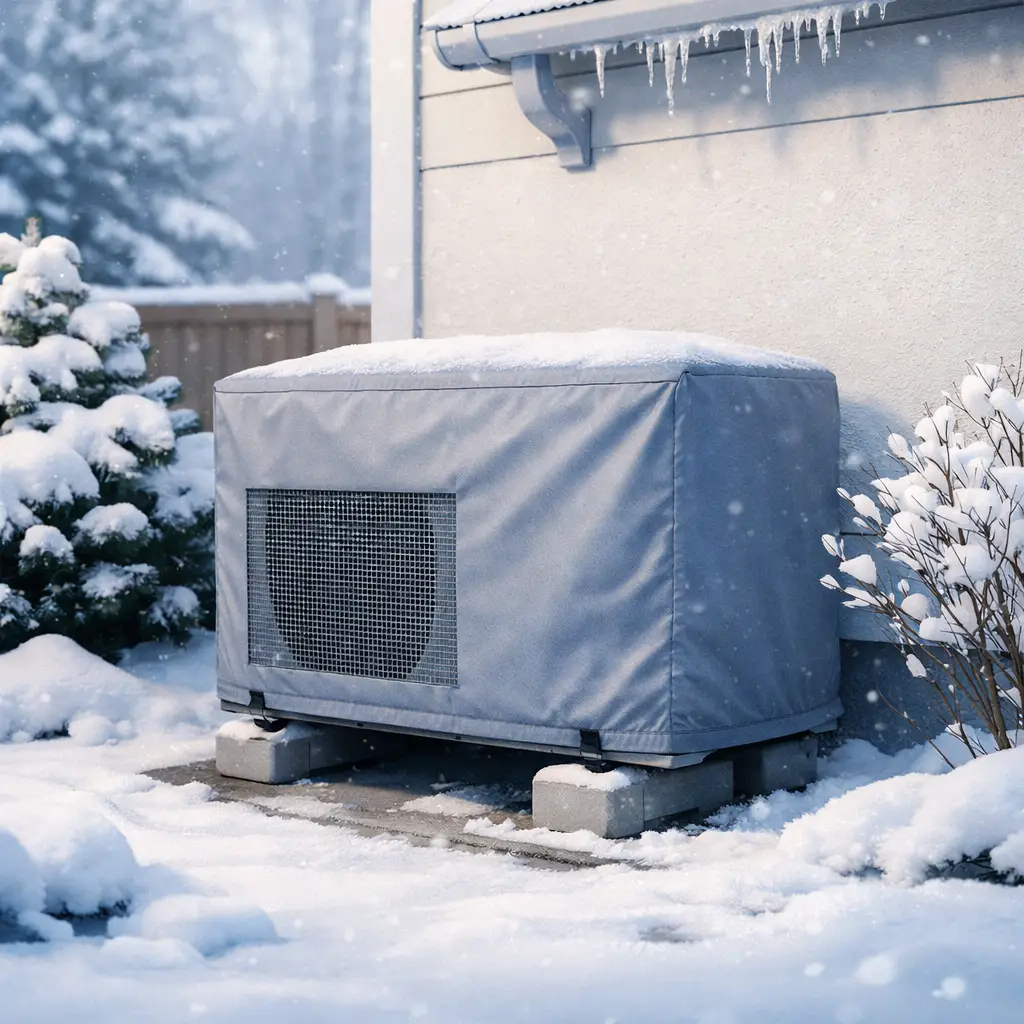
3. Protect the Outdoor Unit with a Cover
The outdoor unit of your AC is exposed to harsh winter conditions like moisture, dirt, frost, and animals. Covering it helps prevent:
-
Rusting
-
Dust accumulation
-
Debris entry
-
Birds or insects nesting inside
However, do not use plastic covers that trap moisture. Instead, choose a breathable AC cover that allows ventilation while still protecting against weather.
If your AC is a window unit, consider removing it and storing it indoors for complete protection.
4. Check and Clean the Drain Pipes
Water sometimes remains inside AC drain pipes. In winter, this leftover moisture may:
-
Freeze in very cold regions
-
Cause mold or algae
-
Lead to foul smells later
-
Damage plastic pipes
Make sure your drain line is completely dry before closing your AC for winter. You can run the fan-only mode for a few minutes to remove moisture.
5. Protect the AC from Pests and Rodents
Small animals often enter outdoor AC units during winter to stay warm. They can chew wires, foam insulation, and parts — leading to serious damage. Use:
-
Mesh covers
-
Pest-repellent sprays
-
Sealed entry points
Regularly check for droppings or signs of rodents.
6. Keep the Surrounding Area Clean
Whether your AC is a window or split unit, the surrounding space should be kept free from:
-
Leaves
-
Plants
-
Trash
-
Mud
-
Snow buildup
Clean surroundings reduce risks of pests, dirt buildup, and water damage.
7. Do Not Turn the AC On Randomly in Winter
Some people switch on their AC occasionally during winter to “check it.” This is not recommended, especially in freezing weather. Running your AC in very cold temperatures can:
-
Damage the compressor
-
Freeze internal parts
-
Reduce lubricant thickness
If you must check it, consult an AC technician first.
8. Schedule Professional Maintenance Before Summer Begins
Once winter ends, call a professional AC service technician before you start using it again. They will:
-
Inspect the gas level
-
Check for leaks
-
Clean components
-
Test electrical parts
-
Lubricate moving parts
This ensures safe, efficient operation during summer.
Special Tips for Inverter ACs in Winter
Inverter ACs contain more advanced electronic components than normal ACs. Therefore, winter care becomes even more important.
Additional precautions include:
-
Keeping voltage stabilizers ON only when needed
-
Avoiding damp storage environments
-
Ensuring regular servicing
Proper care helps maintain inverter performance and prevents costly repairs.
Common Mistakes to Avoid During Winter
Many people unknowingly damage their AC machines through careless habits. Avoid the following mistakes:
❌ Leaving the AC unclean before storage
❌ Using low-quality covers
❌ Ignoring outdoor unit protection
❌ Leaving water inside pipes
❌ Not servicing the AC before summer
❌ Letting rodents access the unit
A little care now prevents big expenses later.
Benefits of Winter Care for Your Air Conditioner
Taking the right steps during winter results in many advantages:
✔ Increased lifespan of the AC
✔ Lower power bills later
✔ Better cooling performance
✔ Fewer breakdowns
✔ Reduced repair costs
✔ Cleaner and healthier air
In short, winter maintenance is an investment in comfort and savings.
When Should You Call a Professional Technician?
You should contact an AC technician if you notice:
-
Strange smells from the indoor unit
-
Rust marks or corrosion
-
Wire damage
-
Water leakage
-
Ice deposits
-
Noisy outdoor unit
-
Declining cooling performance later
It’s always better to fix issues early.
Conclusion
Your air conditioner may not be in use during winter, but that doesn’t mean it can be ignored. Special winter care plays a vital role in maintaining your AC’s efficiency, safety, and longevity. Simple actions like cleaning, covering the outdoor unit, switching off the power, protecting pipes, and preventing pests can save you from costly repairs and performance loss when summer returns.
Treat your AC like a long-term investment. With regular care — even during the months when it rests — you ensure smooth, powerful, and energy-efficient cooling for many years.
If you follow these winter care tips, your air conditioner will always be ready to deliver fresh cool air whenever you need it again.
A really good blog and me back again.